Do you know the names of the Seven Sisters of Northeast India without searching for them?
If that question makes you pause, it is not just about geography. It is about distance. Not physical distance, but emotional distance.
In February 2026, an incident in Malviya Nagar, South Delhi, brought that distance into sharp focus. Three young women from Arunachal Pradesh alleged that they were racially abused by a couple during a dispute at their rented apartment. A video of the confrontation spread rapidly across social media. What might have remained a local argument became a national conversation within hours.
According to reports, the police registered an FIR under provisions of the Bharatiya Nyaya Sanhita, including charges related to promoting enmity, criminal intimidation, and insulting the modesty of women. Provisions of the Scheduled Castes and Scheduled Tribes Prevention of Atrocities Act were also invoked. The accused were taken into custody, and legal proceedings began. The law stepped in, as it must when dignity is attacked.
But law enters after damage is done. The deeper question is why such incidents continue to happen at all.
The Northeast is not a foreign land. It is home to the Seven Sisters: Assam, Manipur, Meghalaya, Mizoram, Nagaland, Tripura, and Arunachal Pradesh. These states are rich in culture, language, art, music, and history. Yet many citizens from these regions repeatedly report being stereotyped, mocked for their features, or treated as outsiders in their own country.
And this is not only about the Northeast.
Across India, discrimination takes many shapes. Sometimes it is racial. Sometimes it is caste based. Sometimes it is about skin tone, surname, accent, religion, or region. Sometimes it is subtle. Sometimes it is loud. Sometimes it is disguised as humor.
In the age of reels and short videos, cruelty can be packaged as content. A comment on someone’s appearance becomes a joke. A stereotype becomes a trend. A humiliation becomes entertainment. The chase for views often forgets the value of dignity.
We live in a time where information is unlimited. With a few clicks, anyone can learn about the traditions of Nagaland, the tea heritage of Assam, or the living root bridges of Meghalaya. Ignorance today is rarely about lack of access. It is about lack of interest.
India’s Constitution guarantees equality before the law and prohibits discrimination. These principles are not decorative words. They are binding promises. When racial abuse happens, it can attract criminal charges because it threatens not only individuals but also the harmony of society. The Malviya Nagar case reminds us that the legal system recognizes the seriousness of such acts.
Yet, punishment alone cannot repair social thinking.
Prejudice is often learned quietly. It grows in casual remarks, forwarded messages, copied dialogues from films, and unchallenged jokes. Entertainment sometimes normalizes stereotypes. Fiction is consumed without reflection. What begins on screen can quietly enter everyday language.
The uncomfortable truth is that discrimination survives not because we lack laws, but because we lack consistent accountability in daily behavior. It survives when silence protects bias. It survives when we treat regional identity as a reason for exclusion. It survives when we forget that diversity is not a weakness but the very structure of the nation.
The incident in Delhi is therefore not an isolated controversy. It is a mirror. It reflects how easily we forget that the person we mock for looking different carries the same citizenship, the same constitutional rights, and the same human dignity as anyone else.
The Seven Sisters are not distant chapters on a map. They are living, breathing parts of India. Their people are not guests in metropolitan cities. They are equal stakeholders in the country’s future.
A nation that celebrates unity in diversity must decide whether that phrase is a slogan or a standard.
So the question returns, stronger than before. If we cannot even name the Seven Sisters with certainty, are we truly ready to respect them with sincerity?
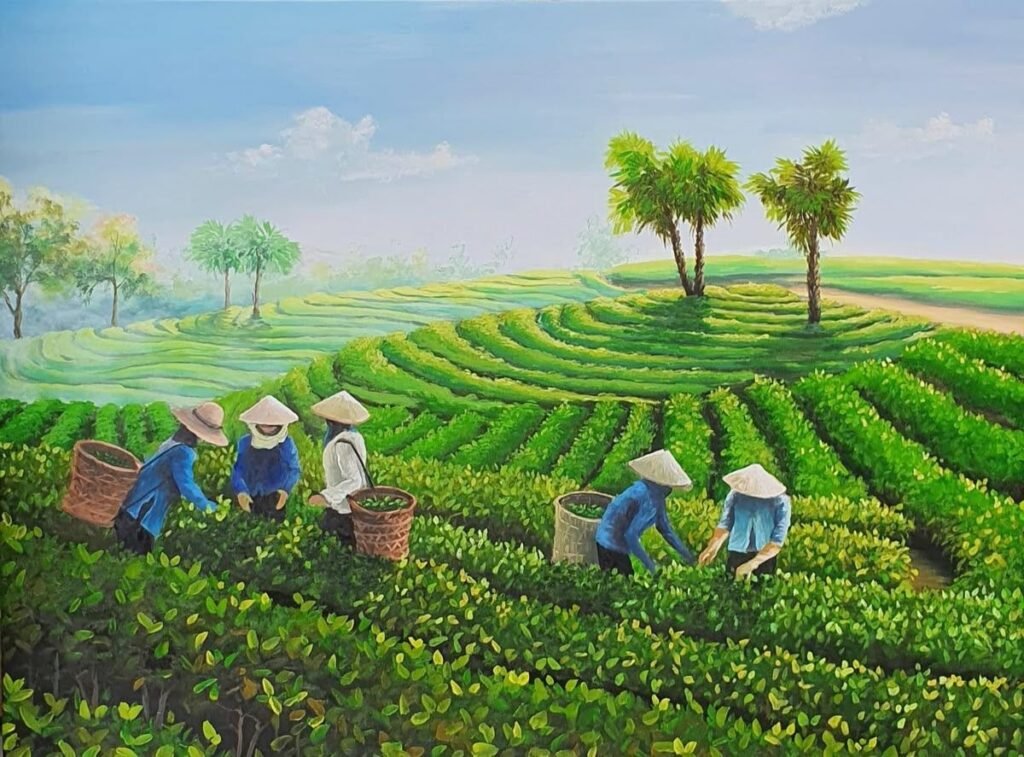
Featured captured from Pinterest
How does this vibe feel to you? Share below!